
What Makes a CRM "Startup-Friendly" in 2026
Most CRM buying guides are written for enterprise procurement teams with six-month evaluation cycles and dedicated IT staff. This one is not. If you are a founder, a head of sales at a seed-stage company, or an operator trying to bring order to a chaotic pipeline, you need different criteria than a Fortune 500 buyer.
A startup-friendly CRM earns that label by passing five tests: it sets up in hours not weeks, it prices honestly without hiding essential features behind enterprise tiers, it requires no dedicated admin to maintain, it connects to the tools you already use, and it grows with you rather than forcing a painful migration at Series B. The platforms that fail any one of these tests — no matter how impressive their feature roadmap — create more problems than they solve for early-stage teams.
Enterprise platforms like Salesforce are genuinely powerful. They are also genuinely expensive to implement, customize, and maintain. A startup paying $150/user/month for Salesforce and then hiring a Salesforce admin to configure it has made a capital allocation decision that rarely makes sense before a substantial sales team exists. The better call in 2026 is to match the tool to the stage.
Budget Tiers: What You Actually Get at Every Price Point
Price tiers in the CRM market have stabilized around four bands. Here is what each band realistically delivers for a startup in 2026, with no vague claims about features that require an enterprise quote to unlock.
| CRM | Free Plan | Entry Paid Tier | Free User Limit | Best For |
|---|---|---|---|---|
| HubSpot CRM | Yes | Paid add-ons vary by hub | 2 users, up to 1,000,000 contacts | Marketing-led startups |
| Zoho CRM | Yes | $14/user/month (Standard, annual) | 3 users | Budget-conscious growing teams |
| Freshsales | Yes | $9/user/month (Growth, annual) | 3 users | Teams wanting AI lead scoring early |
| Pipedrive | No | $14/user/month (Essential, annual) | N/A | Sales-first pipeline management |
| Monday CRM | No | $12/seat/month (min. 3 seats, annual) | N/A | Teams already using Monday.com |
| Close | No | Startup tier for small teams | N/A | High-velocity inside sales |
Free Tier ($0/user/month)
The free CRM market is legitimately useful in 2026 — this is not the case of stripped-down trial software. HubSpot CRM leads this category with up to 1,000,000 contacts and core pipeline management for two users at no cost. For a two-founder pre-revenue company, that is a serious tool with zero financial commitment. The catch is that HubSpot monetizes through its paid Hubs — Marketing Hub, Sales Hub, Service Hub — so costs escalate quickly once you want email sequences, advanced reporting, or deal automation.
Zoho CRM offers a free plan for up to three users covering leads, contacts, and account management. Freshsales matches that with a free tier for three users that includes a visual sales pipeline. Both are solid starting points, though you will hit the user ceiling fast as you hire.
Free plans work best for solo founders and teams of two or three who need basic deal tracking. Once you add a fourth team member or need workflow automation, the economics shift clearly toward paid tiers.
Budget Tier ($9–30/user/month)
This is where most early-stage startups should live. The $9–30 range unlocks workflow automation, custom fields, reporting dashboards, and integrations that free plans withhold. Freshsales Growth at $9/user/month is the most affordable entry into meaningful automation. Pipedrive Essential at $14/user/month delivers a drag-and-drop pipeline that sales teams adopt immediately without training. Zoho CRM Standard at $14/user/month removes the three-user cap and adds workflow rules. Monday CRM starts at $12/seat/month but requires a minimum of three seats, making the floor $36/month regardless of headcount.
Opinion: for a five-person sales team doing outbound, Pipedrive at this tier is hard to beat on pure usability. The pipeline view is intuitive enough that reps actually use it, which matters more than any feature checklist item.
Newsletter
Get the latest SaaS reviews in your inbox
By subscribing, you agree to receive email updates. Unsubscribe any time. Privacy policy.
Mid-Range Tier ($30–75/user/month)
At this price point you are buying either deeper automation, AI-driven features, or tighter integration ecosystems. Close lives in this range and is purpose-built for inside sales teams that live in the CRM all day — its built-in calling, SMS, and email sequences are genuinely best-in-class for high-volume outbound. Attio targets B2B startups that want a more flexible, data-model-driven approach rather than a rigid pipeline structure. If your deals are complex and relationship-driven rather than transactional, Attio's architecture fits the use case better than most.
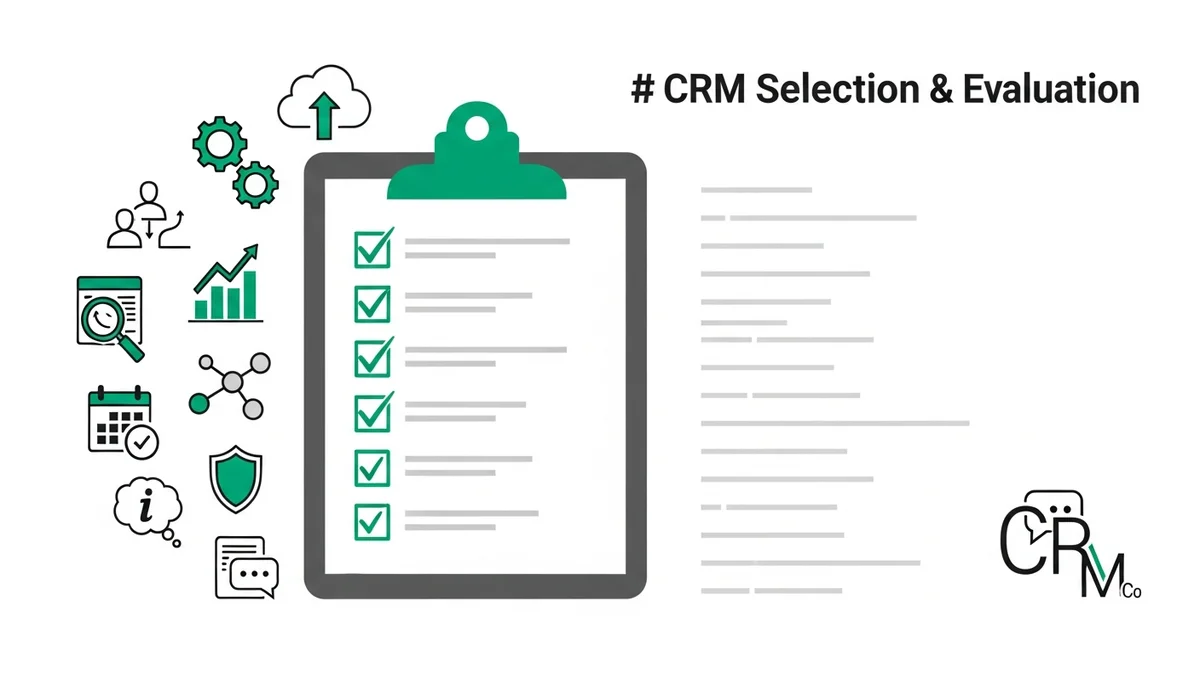
Feature Checklist: What to Verify Before You Sign
Every CRM vendor claims to offer automation, reporting, and integrations. The questions below cut through the marketing copy and surface real limitations before you commit.
Pipeline and Deal Management
- Multiple pipelines: Can you run a sales pipeline and a partnership pipeline simultaneously? Some entry tiers limit you to one.
- Custom stages: Does the platform let you define your own deal stages rather than forcing a generic template?
- Rotting deals: Does the CRM flag deals that have gone cold based on inactivity? Pipedrive's "Deal Rotting" feature is a concrete example of this done well.
Communication Tracking
- Email sync: Does it pull email history automatically from Gmail or Outlook, or does your team need to BCC a logging address?
- Call logging: Is calling built-in or does it require a third-party integration? Close includes built-in VoIP; most others rely on Twilio-based integrations.
- Meeting scheduling: Does the CRM include a booking link tool, or do you need Calendly on top?
Automation
- Trigger types: What events can trigger a workflow — deal stage changes, contact field updates, inbound form submissions?
- Action limits: Some entry plans cap the number of automated actions per month. Verify the ceiling before you build workflows that depend on it.
- Sequence sending: Multi-step email sequences for outreach are a standard need. Confirm whether this is included in your target tier or requires an upgrade.
Reporting
- Forecast accuracy: Can the CRM give you a weighted pipeline forecast, not just a raw sum of open deals?
- Activity reports: Can you see calls made, emails sent, and meetings held per rep? This matters the moment you have more than two salespeople.
- Custom dashboards: Check whether custom report building is locked behind a higher tier.
Red Flags That Should Kill a Deal
After reviewing dozens of CRM implementations at early-stage companies, the same failure patterns appear repeatedly. Watch for these before you sign an annual contract.
Critical Features Locked Behind Enterprise Tiers
If a CRM prices basic automation, email sequences, or reporting dashboards only at its highest tier, that is a deliberate up-sell strategy, not a product architecture decision. You will start at the entry price and find yourself upgrading within six months. Run the math on the tier you actually need, not the tier that gets you in the door.
No Self-Serve Onboarding
If getting your team set up requires scheduling calls with an implementation consultant, the platform is not designed for startups. The best startup CRMs — Pipedrive, Freshsales, HubSpot CRM — have guided onboarding flows that get a small team operational the same day they sign up.
Per-User Pricing with a High Minimum Seat Count
A minimum seat requirement on a three-person team is a meaningful cost multiplier. Monday CRM's three-seat minimum is a known constraint at the entry tier. Factor this into total cost comparisons, not just the per-user headline price.
Weak API Documentation
Your CRM will eventually need to connect to your billing system, your data warehouse, or a custom internal tool. A CRM with a poorly documented or rate-limited API becomes a bottleneck when engineering starts building those connections. Test the API documentation before you buy — public, detailed, and actively maintained is the standard you want.
No Data Export on Cancellation
Every CRM you choose should allow full CSV or JSON export of your contacts, deals, notes, and activity history at any time, including on cancellation. If the contract or support documentation is unclear on this, treat it as a red flag. Your data is yours.
Which CRM Fits Your Growth Stage
The right CRM changes as the company grows. Here is a stage-by-stage framework based on team size and sales complexity.
Pre-Revenue and Solo Founders
At this stage, the primary job of a CRM is to prevent deals from falling through the cracks without adding administrative overhead. Start with HubSpot CRM free or Zoho CRM free. Both require zero financial commitment and provide enough structure to track conversations, log notes, and move prospects through a basic funnel. Do not over-engineer the setup — one pipeline, simple stages, and consistent logging habits matter more than feature depth at this point.
Seed Stage (3–10 Person Sales Team)
Once you have multiple salespeople and deal volume that makes manual tracking painful, the free tier constraints become real costs. This is the moment to move to a paid plan. Pipedrive at $14/user/month is the most adopted choice at this stage for a reason: the pipeline visualization is genuinely intuitive, onboarding is fast, and the platform has enough automation to handle the most common workflows without requiring a dedicated admin. Freshsales Growth at $9/user/month is worth evaluating if AI-driven lead scoring matters to your team early. Close belongs in this conversation if your sales motion is high-velocity outbound — its built-in calling and sequencing eliminates the need for separate tools.
Series A and Beyond
At this stage, the CRM needs to serve a growing sales team, integrate with a marketing automation platform, support more sophisticated forecasting, and provide activity data that feeds into revenue operations reporting. HubSpot CRM paired with Sales Hub scales well into this territory if you want a unified marketing and sales platform. Attio is worth evaluating for companies with complex, relationship-driven sales where the standard lead-contact-deal model feels too rigid. Salesforce becomes justifiable here — but only if you have the headcount and budget to implement and maintain it properly. Deploying Salesforce without a dedicated admin or implementation partner is a common and expensive mistake.
Integration Must-Haves in 2026
A CRM that does not connect to your existing stack creates data silos that cost time to reconcile and decisions made on incomplete information. Before signing any contract, verify native integrations with the following categories.
Email and Calendar
Gmail and Google Calendar, or Outlook and Microsoft 365, are non-negotiable. Native two-way sync — where emails logged in your inbox automatically appear on the contact record in the CRM — is the baseline. If the CRM requires a BCC address or manual import, your team will stop logging within a month.
Marketing Automation
If your go-to-market includes email marketing or lead nurturing, your CRM needs to sync contact status, deal stage, and engagement data with your marketing platform. ActiveCampaign offers a native CRM component alongside its marketing automation, which makes it a strong all-in-one option for startups that do not want to manage two separate platforms. For teams that prefer to keep CRM and marketing tools separate, verify that a native integration exists — not just a Zapier workaround — between your two platforms of choice.
Communication Tools
Slack is table stakes. Beyond that, look for integrations with your video conferencing platform (Zoom or Google Meet), your calling tool if calling is not built into the CRM, and your customer success platform if you track post-sales relationships.
Data and Reporting
Growing startups eventually need CRM data in a data warehouse alongside product usage, billing, and support data. Verify whether your CRM offers native connections to Segment, Fivetran, or direct database exports. This is rarely a day-one need but becomes critical faster than most founders expect.
Choosing the right CRM in 2026 is not about finding the most feature-rich platform — it is about finding the platform your team will actually use consistently, at a price that makes sense for your current stage, with enough room to grow before the next painful migration. Match the tool to the moment, verify the integrations that matter to your stack, and watch for the red flags that signal a vendor prioritizing lock-in over your success.