
Why Choosing the Right CRM Is a Startup's Most Important Software Decision
Customer Relationship Management software has evolved from a glorified contact database into the operational backbone of modern startups. In 2026, CRMs are central to marketing, sales, support, and strategic decision-making — not just a tool for your sales rep to log calls. Yet most startup founders still pick a CRM based on a demo that impressed them or a recommendation from a friend, and end up paying for complexity they never fully use.
As Ben Zettler, founder of Zettler Digital, puts it: "They pay for complexity they'll never fully use. Then they spend months trying to force their businesses into someone else's sales model."
This guide gives you a structured framework for evaluating CRM software as a startup — with real pricing, honest tradeoffs, and specific recommendations based on your stage, team size, and sales motion.
The 2026 CRM Market: What's Changed and Why It Matters
The CRM market has shifted dramatically in the past two years. Here's what's driving decisions in 2026:
- AI is now table stakes. Lead scoring, email generation, deal forecasting, and conversation intelligence are built into nearly every mid-tier plan. If a CRM doesn't offer AI features on its core paid tier, that's a red flag.
- Tool consolidation is accelerating. Startups are ditching 6–8 point solutions in favor of platforms that combine CRM, email marketing, pipeline management, and customer support in one place. Platforms like Bitrix24 and HubSpot have capitalized on this trend hard.
- Customer expectations are higher. Buyers expect personalization and fast response times. A CRM that can't segment contacts, automate follow-ups, or surface context at the moment of a call is a liability, not an asset.
- Pricing has polarized. Free tiers have gotten better (HubSpot's free CRM is genuinely powerful), but enterprise-tier pricing has also climbed. The $15–$75/user/month mid-market band is where most startups live — and where the meaningful differentiation exists.
The 7 Factors That Actually Matter When Evaluating a CRM
Most buyer guides list 15 factors. In practice, seven drive 90% of the decision for startups:
1. Ease of Adoption (Not Just Ease of Use)
A CRM your team ignores is worthless. Look at onboarding time-to-value, not just UI cleanliness. Pipedrive and Salesflare consistently rank highest here — most teams are running live pipelines within a day.
2. Pipeline Visibility
Visual deal pipelines aren't optional for sales-led startups. Drag-and-drop Kanban-style boards (pioneered by Pipedrive) are now a baseline expectation. If a CRM buries pipeline management in menus, walk away.
3. Automation Depth
Can you automate lead assignment, follow-up sequences, stage transitions, and task creation without writing code? This is where mid-tier plans differentiate. ActiveCampaign and HubSpot CRM lead here — both offer visual automation builders that cover complex multi-branch workflows.
4. Integration Ecosystem
Your CRM must connect to your email provider, calendar, prospecting tools, and billing system without custom dev work. Native integrations beat Zapier connectors — they're faster, more reliable, and don't add per-task costs.
5. Reporting and Forecasting
At Series A and beyond, your investors will ask for pipeline coverage ratios and win-rate trends. Make sure your CRM can produce these reports natively — or you'll be exporting to spreadsheets every quarter.
6. Scalability Without Re-platforming
Migrating CRM data is painful. Choose a platform you can grow into. Salesforce is the gold standard for scale, but overkill pre-Series B. HubSpot and Zoho CRM both offer upgrade paths that delay the migration decision for years.
7. Total Cost of Ownership
Sticker price is rarely the full story. Factor in: per-user seat costs, add-on modules (email marketing, service desk, AI features), implementation fees, and training time. A $25/user/month tool that requires a $5,000 implementation is more expensive than a $45/user/month tool that sets up in a weekend.
Newsletter
Get the latest SaaS reviews in your inbox
By subscribing, you agree to receive email updates. Unsubscribe any time. Privacy policy.
CRM Comparison: Pricing and Best Fit for Startups
| CRM | Starting Price | Free Tier? | Best For | Avoid If |
|---|---|---|---|---|
| HubSpot CRM | Free / $15/user/mo (Starter) | Yes — robust | Inbound-led startups, marketing + sales alignment | You need deep pipeline customization on a tight budget |
| Pipedrive | $14/user/mo (Essential) | No (14-day trial) | Sales-led teams that live in the pipeline view | You need native email marketing or advanced marketing automation |
| Salesforce | $25/user/mo (Starter Suite) | No | Post-Series B teams with complex sales processes | You're pre-product-market fit or under 10 seats |
| Zoho CRM | $14/user/mo (Standard) | Yes (3 users) | Budget-conscious teams needing strong automation | You want a slick modern UI or need best-in-class support |
| Freshsales | Free / $9/user/mo (Growth) | Yes | Fast-growing teams needing AI lead scoring out of the box | Your team is heavily Google Workspace-dependent |
| ActiveCampaign | $15/mo (Starter, 1 user) | No (14-day trial) | Startups with email marketing + CRM as one motion | You need a strong visual pipeline as your primary workflow |
| Monday CRM | $12/user/mo (Basic, 3-seat min) | No (14-day trial) | Teams already using Monday.com for project management | You want deep CRM-native features like deal rotation or territory management |
| Attio | Free / $34/user/mo (Plus) | Yes | Modern B2B startups wanting a flexible, data-model-first CRM | You need a traditional guided onboarding or extensive out-of-box templates |
Our Top 4 Recommendations by Startup Stage
Pre-Seed to Seed: HubSpot CRM Free or Pipedrive Essential
At this stage, you're validating your sales motion. You need something that works immediately, costs little to nothing, and doesn't lock you into a rigid process before you've figured out what works. HubSpot's free tier gives you contact management, deal pipelines, email tracking, and a meeting scheduler — enough to run a real outbound motion. Pipedrive's Essential plan at $14/user/month is worth the upgrade if your team closes deals primarily through a visual pipeline.
Series A (10–50 Employees): HubSpot Starter/Professional or Pipedrive Advanced
Now you're hiring dedicated SDRs and AEs. You need automation, lead routing, reporting, and ideally a single platform across marketing and sales. HubSpot's Sales Hub Professional ($90/user/month) unlocks sequences, call recording, forecasting, and custom reporting. Pipedrive Advanced ($34/user/month) adds email automation and workflow rules — strong value if your use case is narrowly sales pipeline management.
Series B+ (50–200 Employees): Salesforce Starter or HubSpot Enterprise
At this scale, you need territory management, advanced permissions, CPQ, and deep integrations with ERP or billing systems. Salesforce's Sales Cloud Professional ($80/user/month) is the most flexible option. HubSpot Enterprise ($150/user/month) is a legitimate alternative if you want to keep marketing and sales in one platform. Both require a dedicated RevOps resource to maintain properly.
PLG or Product-Led Startups: Attio or Salesflare
Attio is purpose-built for the modern B2B startup with a flexible data model and automatic enrichment from your product's activity data. Salesflare auto-populates contact and company data from email signatures, LinkedIn, and calendar — ideal for small teams who hate data entry. Both are better fits than Salesforce or HubSpot if your GTM motion relies on product signals, not traditional outbound.
5 Common Mistakes Startups Make When Buying a CRM
Mistake 1: Buying for the Demo, Not the Daily Workflow
Salesforce is extraordinarily impressive in a demo. Its AI, dashboards, and customization options look like magic. But the day-to-day experience for a 10-person team without a dedicated admin is often painful. Run a 2-week trial with your actual reps doing actual deals before signing anything.
Mistake 2: Underestimating Data Migration Costs
Migrating from a spreadsheet is easy. Migrating from an entrenched CRM with 3 years of custom fields, workflows, and associated marketing automation is a 3–6 month project. Factor this in before you pick a platform with a low sticker price but a complex migration path.
Mistake 3: Choosing Based on Integrations That Don't Exist Yet
CRM vendors list hundreds of integrations on their website. Many are shallow read-only connections or require a paid Zapier plan to function. Before committing, test the specific integration you need — especially if it's with your billing system, product analytics tool, or data warehouse.
Mistake 4: Ignoring User Adoption Until It's Too Late
A CRM with 40% adoption is just an expensive contact list. The platforms with the highest natural adoption rates — Pipedrive, Salesflare, and HubSpot — succeed because they reduce friction for the end user, not just for the admin. Ask your reps which tool they'd actually use before finalizing a decision.
Mistake 5: Not Planning for the Next 24 Months
Startups often pick the cheapest option that works today and find themselves re-platforming 18 months later — right when they can least afford the distraction. If you're raising a Series A in the next year, buy the CRM that your Series A CFO will recognize and trust (HubSpot or Salesforce). The migration you avoid is worth more than 6 months of lower seat costs.
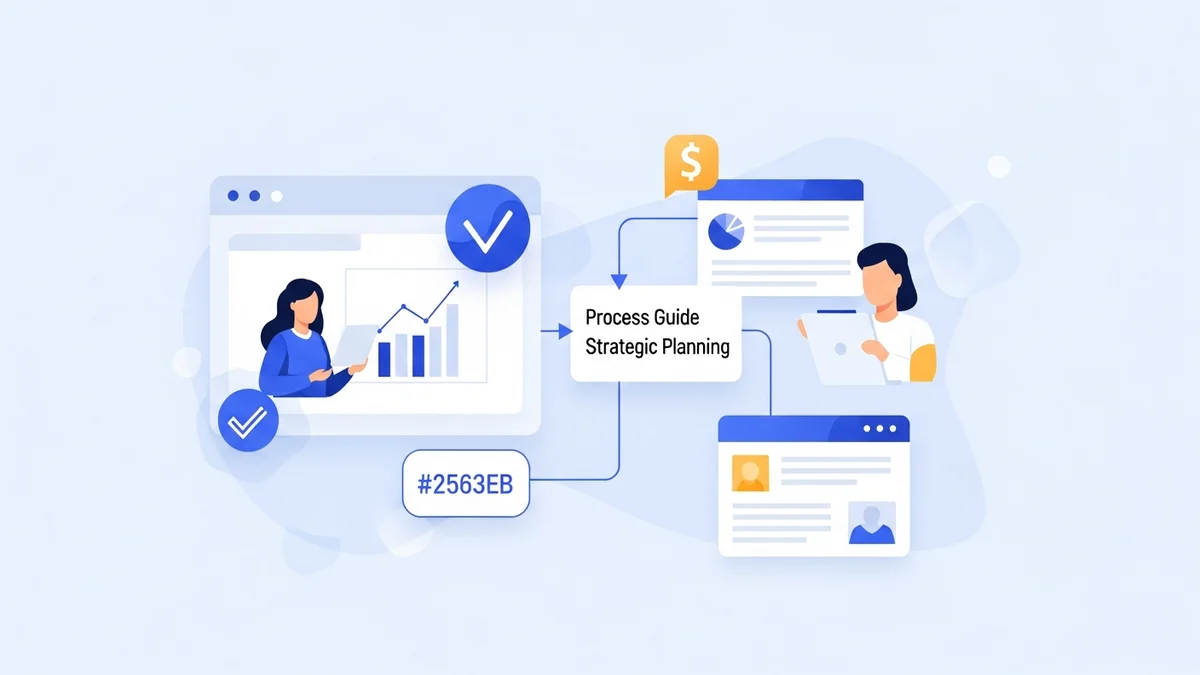
How to Run a CRM Evaluation in 3 Weeks
A structured evaluation prevents analysis paralysis and ensures you're testing what matters. Here's a practical timeline:
- Week 1 — Define requirements. List your 10 must-have features, your top 3 integrations, your budget ceiling, and your expected user count in 12 months. Get sign-off from sales, marketing, and ops.
- Week 2 — Run parallel trials. Shortlist 2–3 platforms and run them simultaneously with real data. Have two reps log 20 actual deals in each tool. Track how long it takes and where friction occurs.
- Week 3 — Score and decide. Score each platform on your must-have list, then factor in TCO, support quality, and team preference. The highest-scored tool that fits within budget wins. Resist the urge to re-evaluate — indecision has a real cost in lost pipeline velocity.
CRM selection isn't a one-size-fits-all decision, but it doesn't have to be a 6-month procurement process either. Most startups benefit most from moving fast, starting lean, and upgrading as their process matures. The worst outcome is spending three months evaluating tools while your competitors are running sequences and closing deals.